01
Technology
Computers and appropriate digital devices selected for the needs and conditions of each participating school.
The Diane Project is working to connect rural African classrooms to a world of learning through computers, educational software, internet access, sustainable solar power, and teachers empowered with ongoing training.
Diane Sheeran Cassidy lived her life with an extraordinary instinct to care for others. One of nine children, Diane was a natural caretaker and protector of her family. She consistently placed the needs of others before her own and brought compassion, thoughtfulness, and a strong sense of responsibility to the people around her.
Diane attended Flagler College in St. Augustine, Florida, where she studied education. She was also an accomplished writer and poet whose creativity reflected her conscientious nature and love of life.
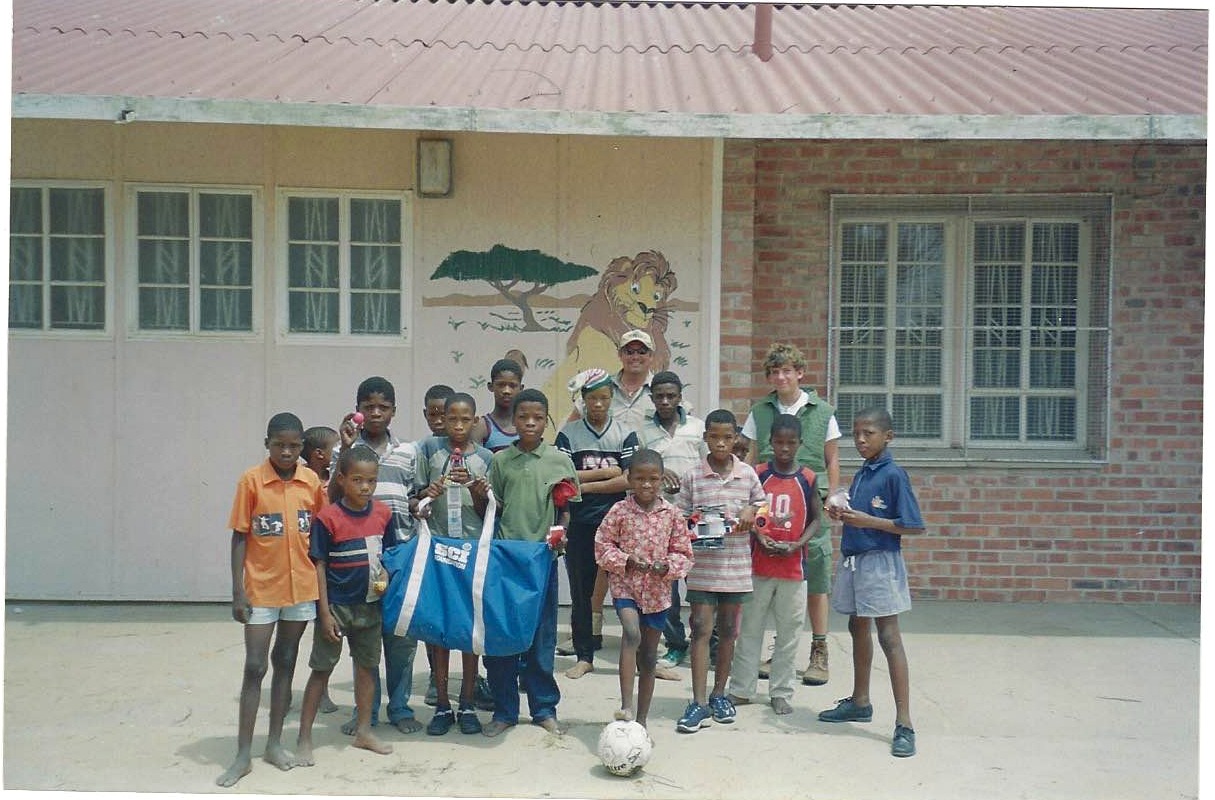
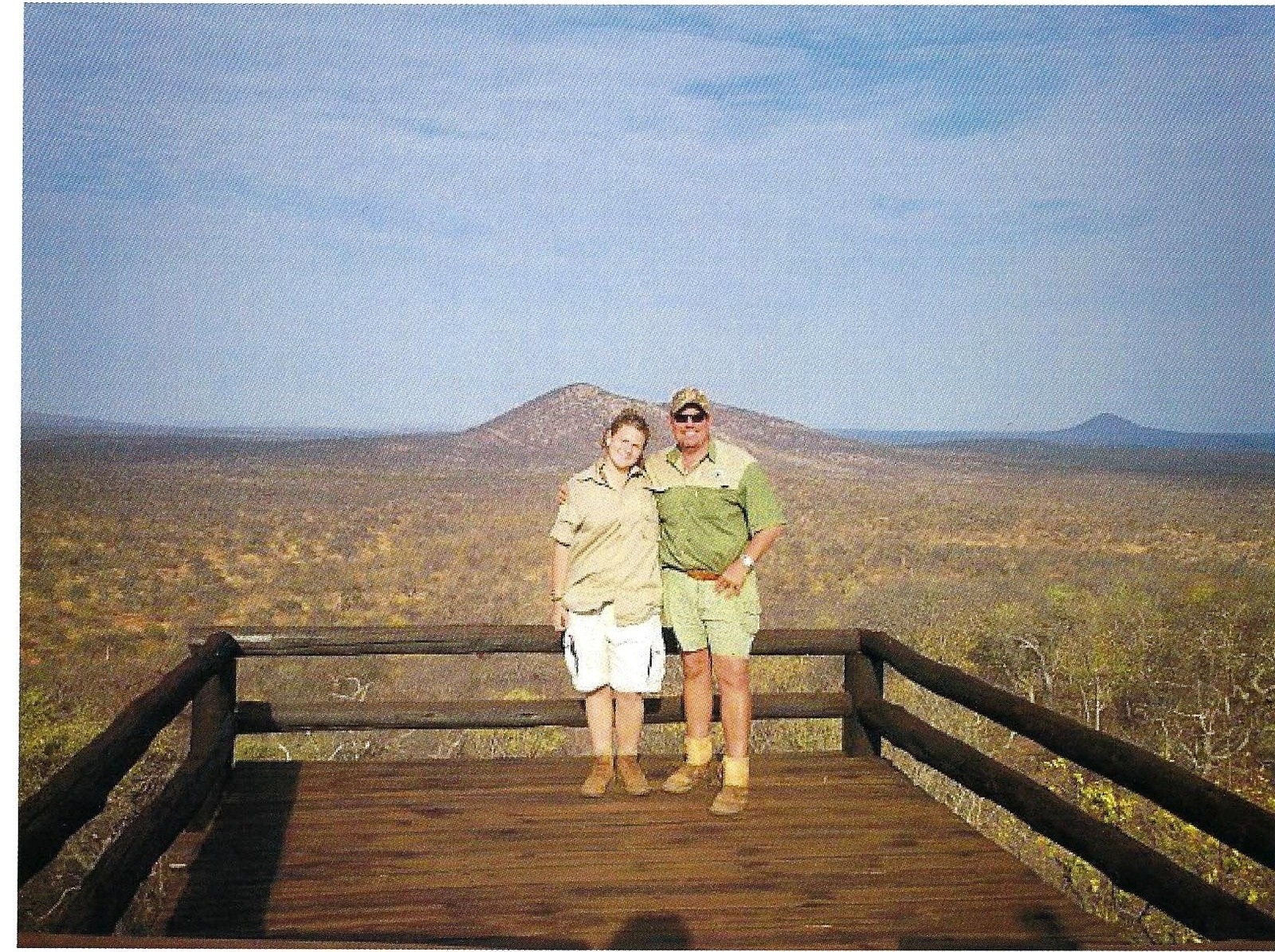
Education and service became especially meaningful through her family's travels to Africa. Alongside her father, brothers, and sisters, Diane traveled to Africa on numerous occasions as a volunteer teacher and developed a special affection for rural farm schools in South Africa.
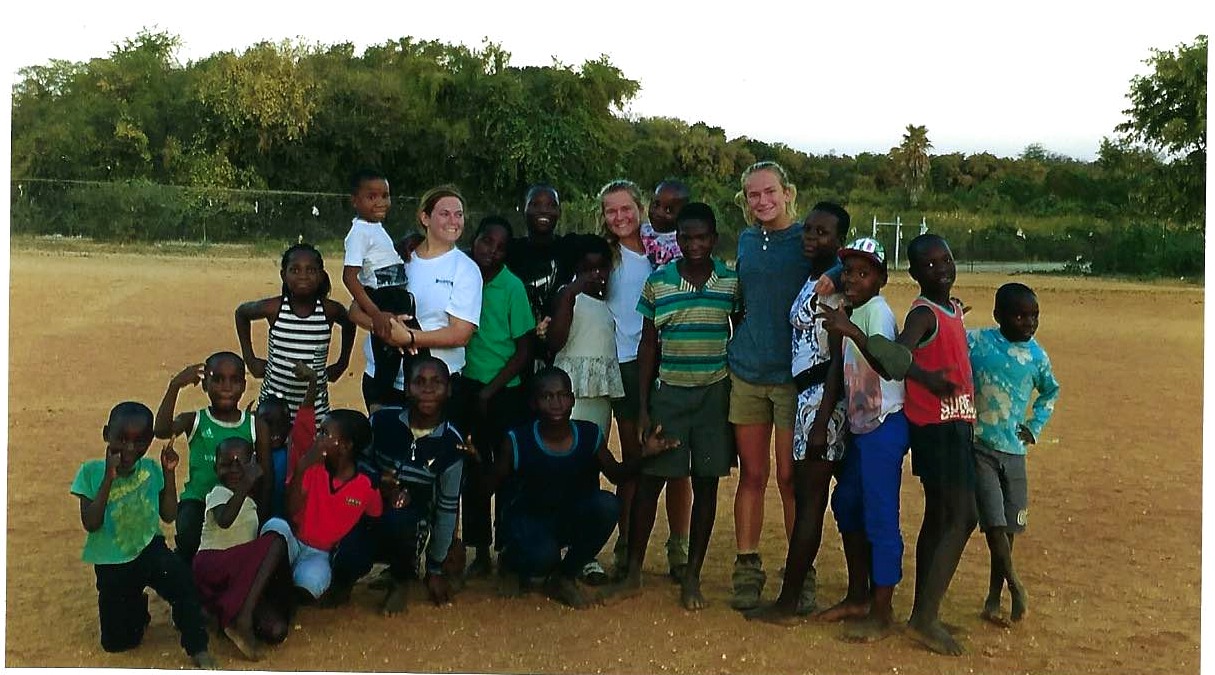
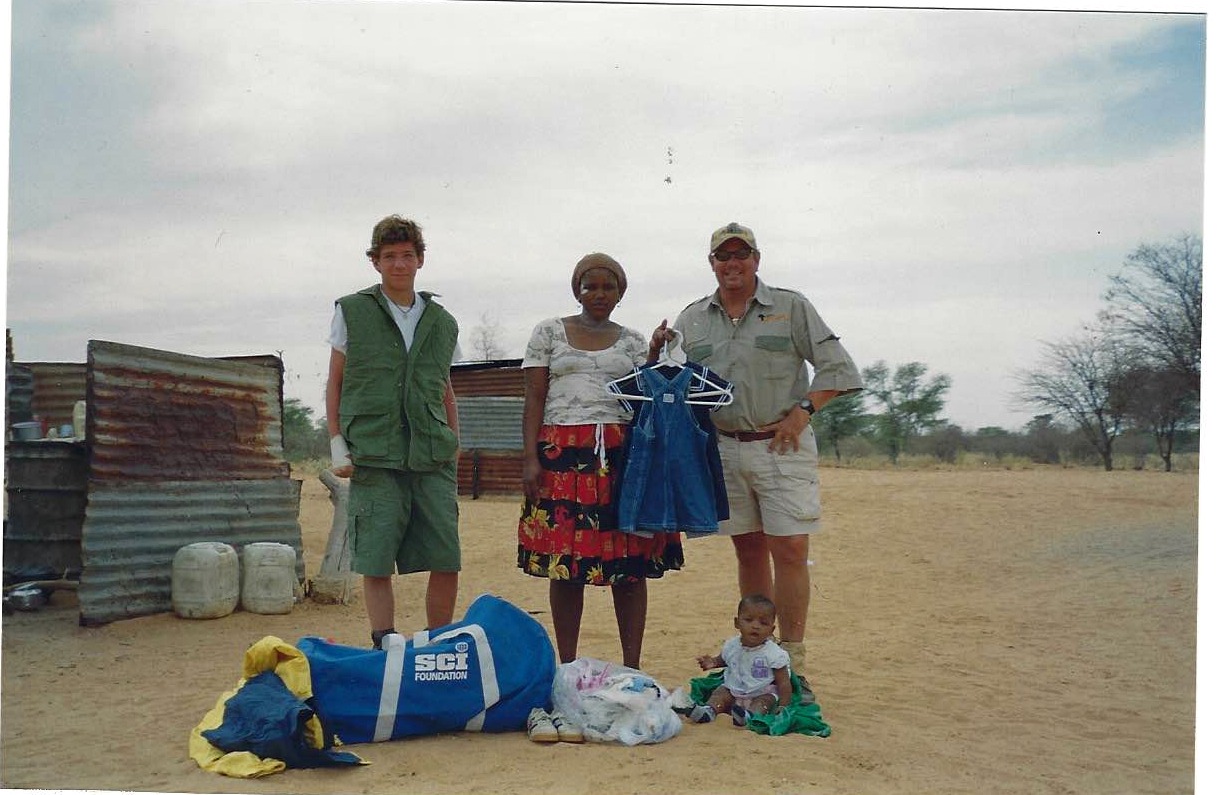
She took particular joy in bringing clothing, soccer balls, and school supplies to children in rural communities. These simple gifts represented something greater: friendship, encouragement, opportunity, and the knowledge that someone cared.
On October 14, 2012, Diane was tragically killed in a car accident. Her life ended far too soon, but the compassion, generosity, love of life, and commitment to education that she gave to others did not end with her.
The Diane Project was created so that Diane's spirit and values will continue through action. By expanding educational opportunity for children and supporting the teachers who serve them, the Project seeks to carry forward the work that meant so much to her.
The Diane Project exists to expand educational opportunity for children in rural African communities by providing schools with the technology, connectivity, sustainable power, teacher training, and ongoing support necessary to participate in the modern world of learning.
Inspired by Diane's commitment to education and her connection to rural schools in South Africa, the Project is built around long-term partnership—not one-time donations.
A sustainable classroom requires devices, software, power, internet access, trained teachers, maintenance, and continued support. Each piece matters.
The program is designed to address the practical barriers that can prevent rural schools from benefiting from digital education.
Computers and appropriate digital devices selected for the needs and conditions of each participating school.
Educational software, digital learning resources, and tools that support classroom instruction and independent learning.
Reliable internet access that opens the classroom to educational content, communication, and distance-learning opportunities.
Sustainable power solutions for schools where electrical infrastructure is limited, unreliable, or unavailable.
Initial and ongoing professional development so teachers can confidently integrate technology into teaching and learning.
The Diane Project's goal is to develop a model that can begin with a pilot school, learn from real classroom experience, and expand responsibly over time.
Teacher development is central to the model. Technology has lasting value only when educators have the confidence, skills, and ongoing support to use it effectively with their students.
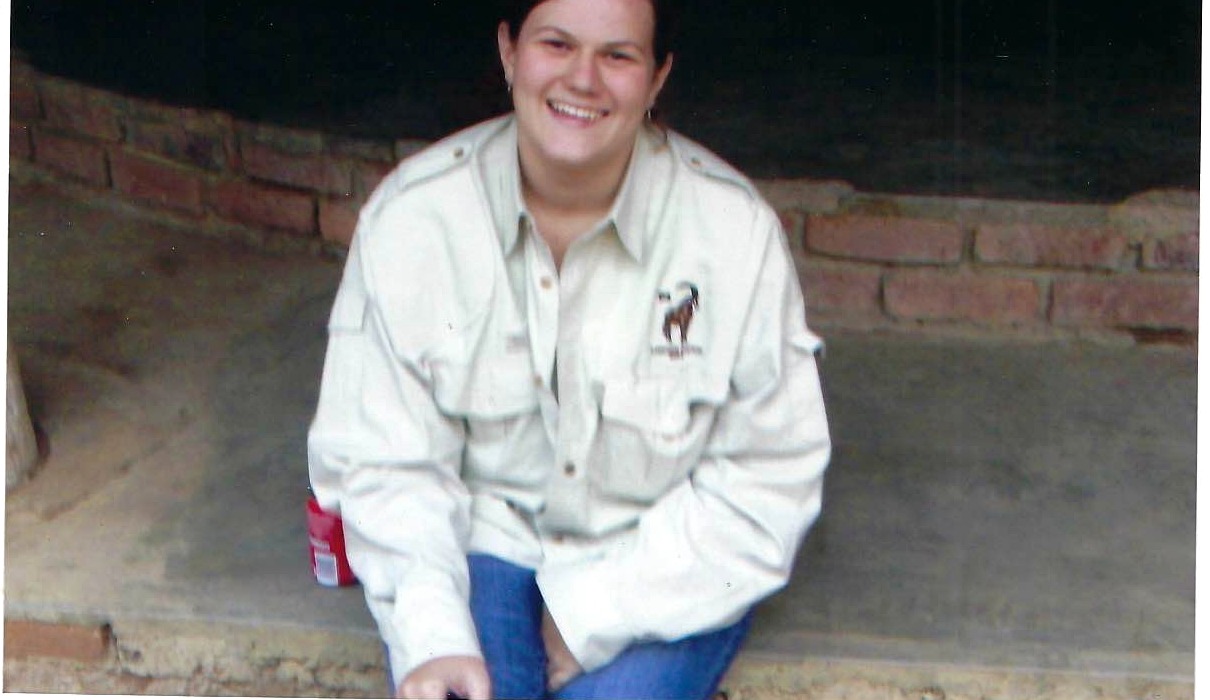
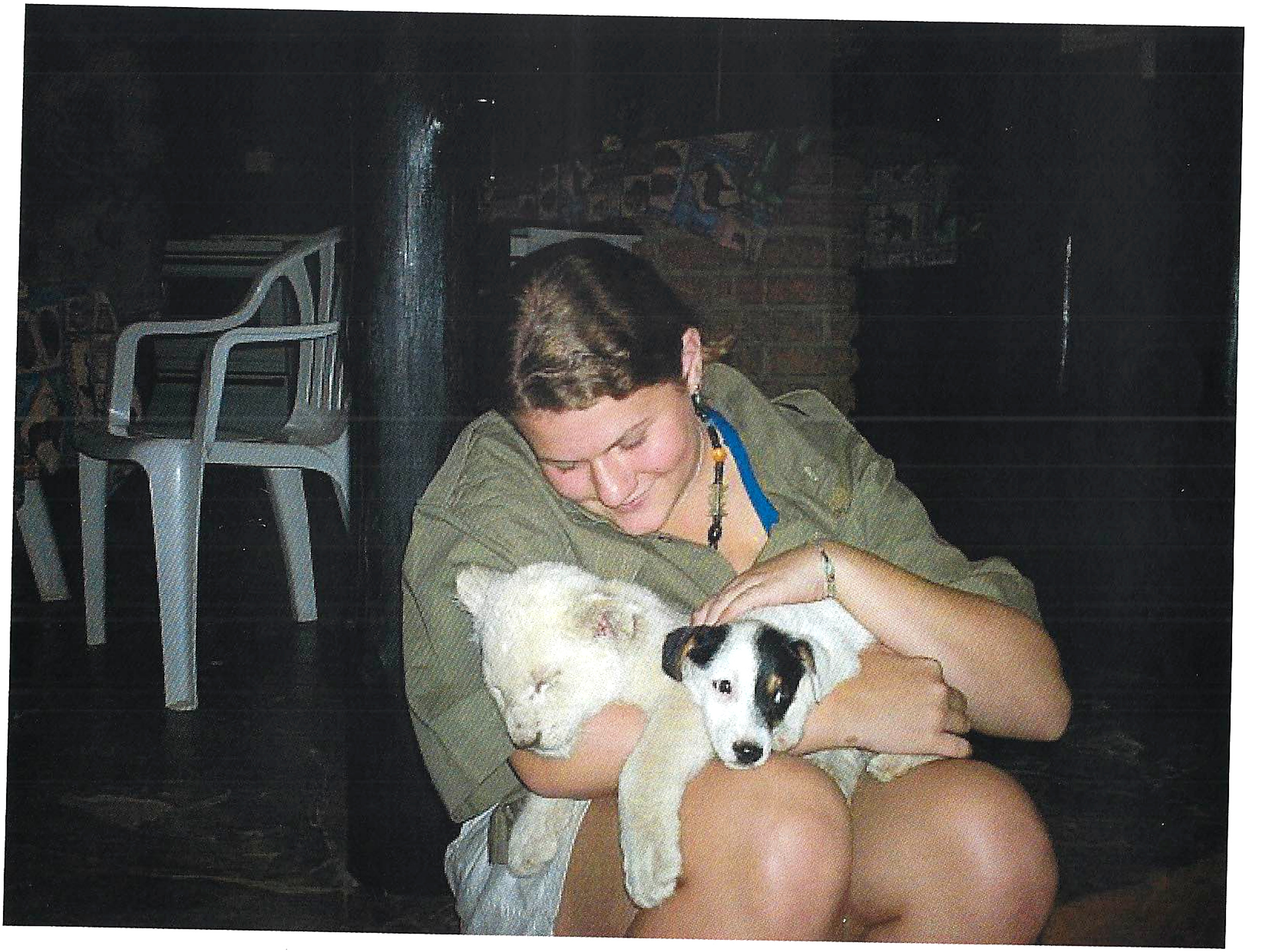
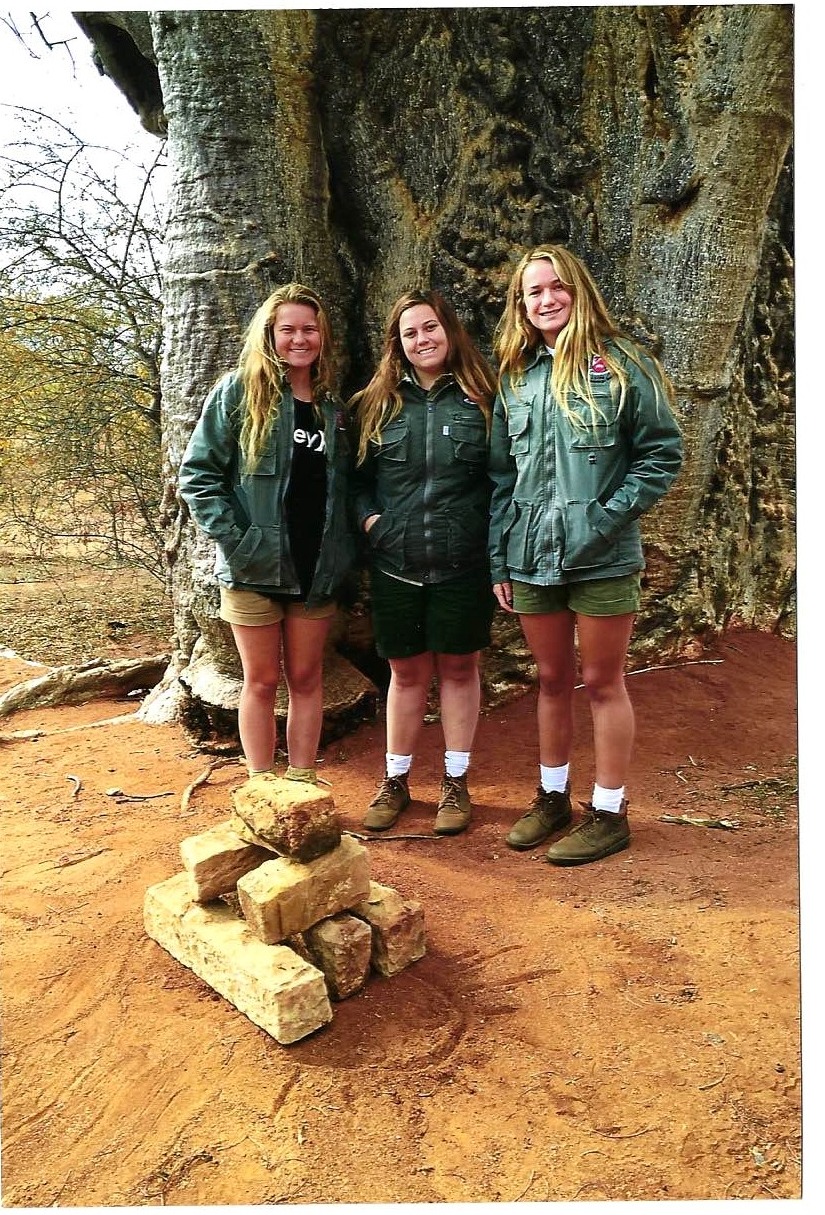
These family photographs offer a glimpse of Diane's travels, her love of Africa, and the experiences that helped inspire the work The Diane Project carries forward today.
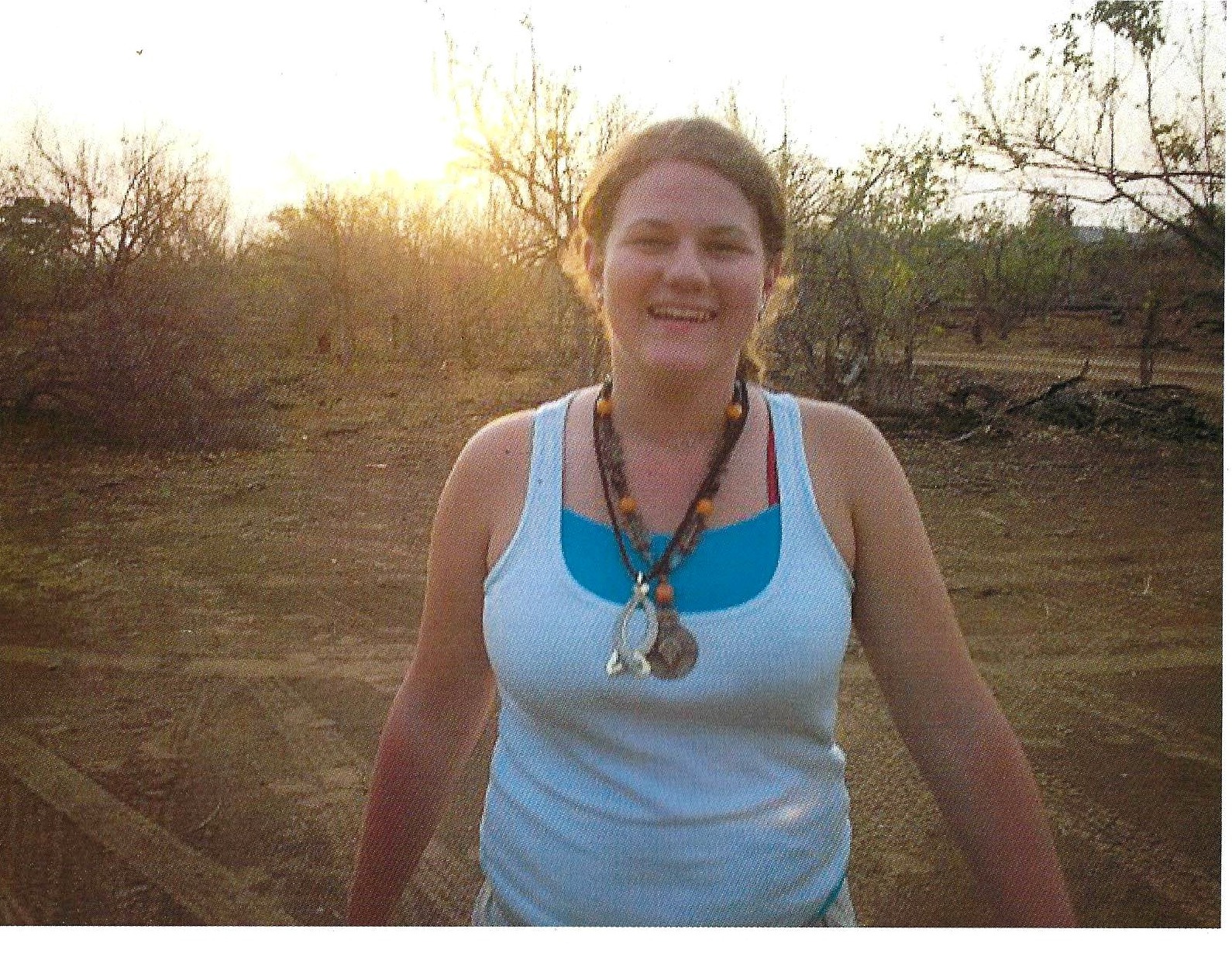
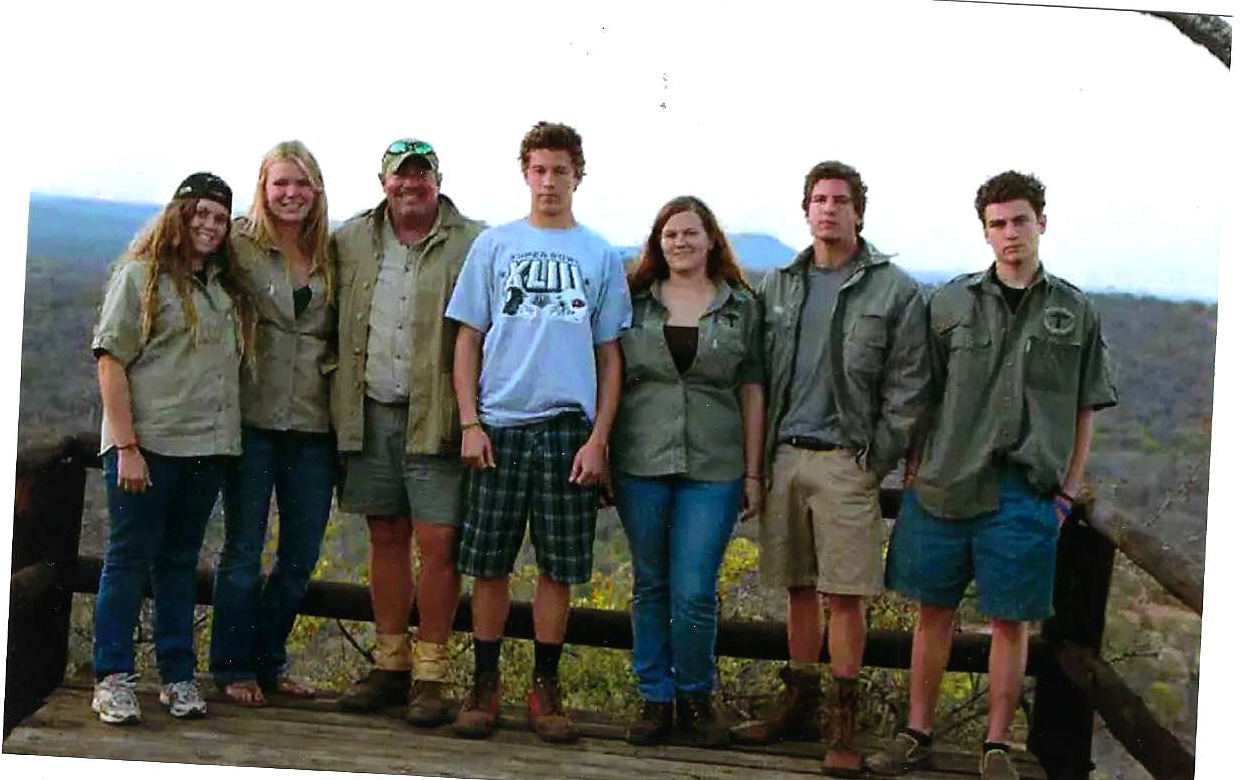
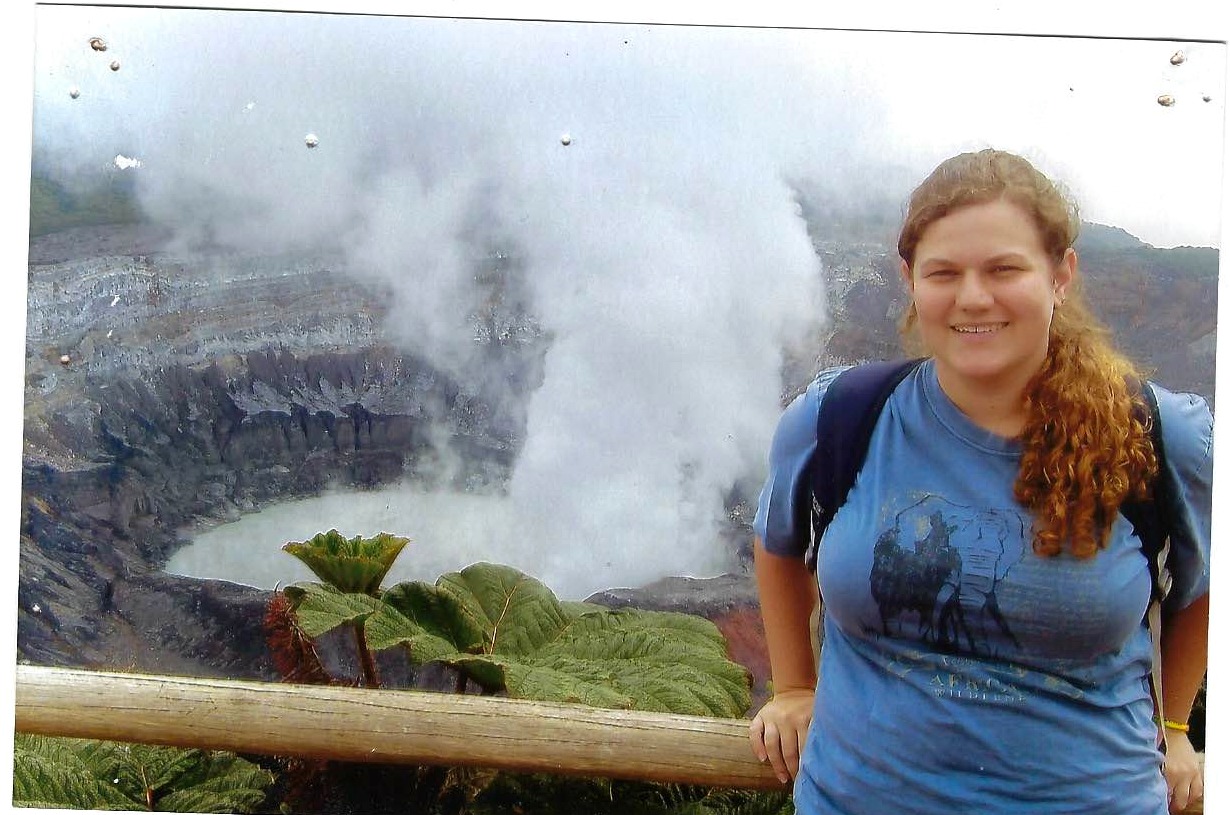
The Diane Project is being developed around meaningful, practical partnerships that can help rural schools gain access to modern learning tools and sustained teacher support.
Schools, educators, technology providers, connectivity partners, solar-power specialists, training organizations, and community partners can all contribute expertise to the Connected Classroom model.
Start a ConversationAs the program develops, support can help provide computers, software, internet connectivity, solar infrastructure, teacher training, maintenance, and educational resources.
Learn How to HelpInterested in supporting a school, providing technology, helping with teacher training, or learning more about The Diane Project? Send us a message.
Education should have no distance.